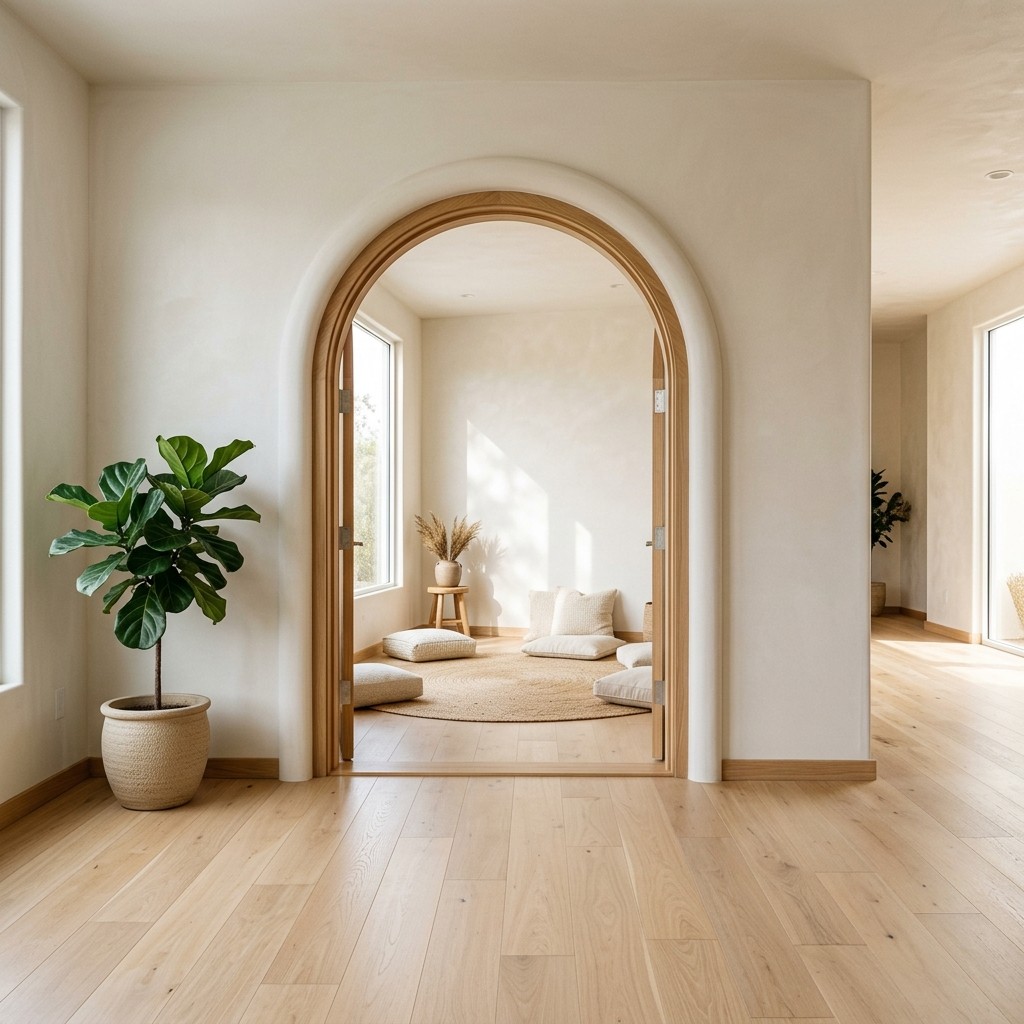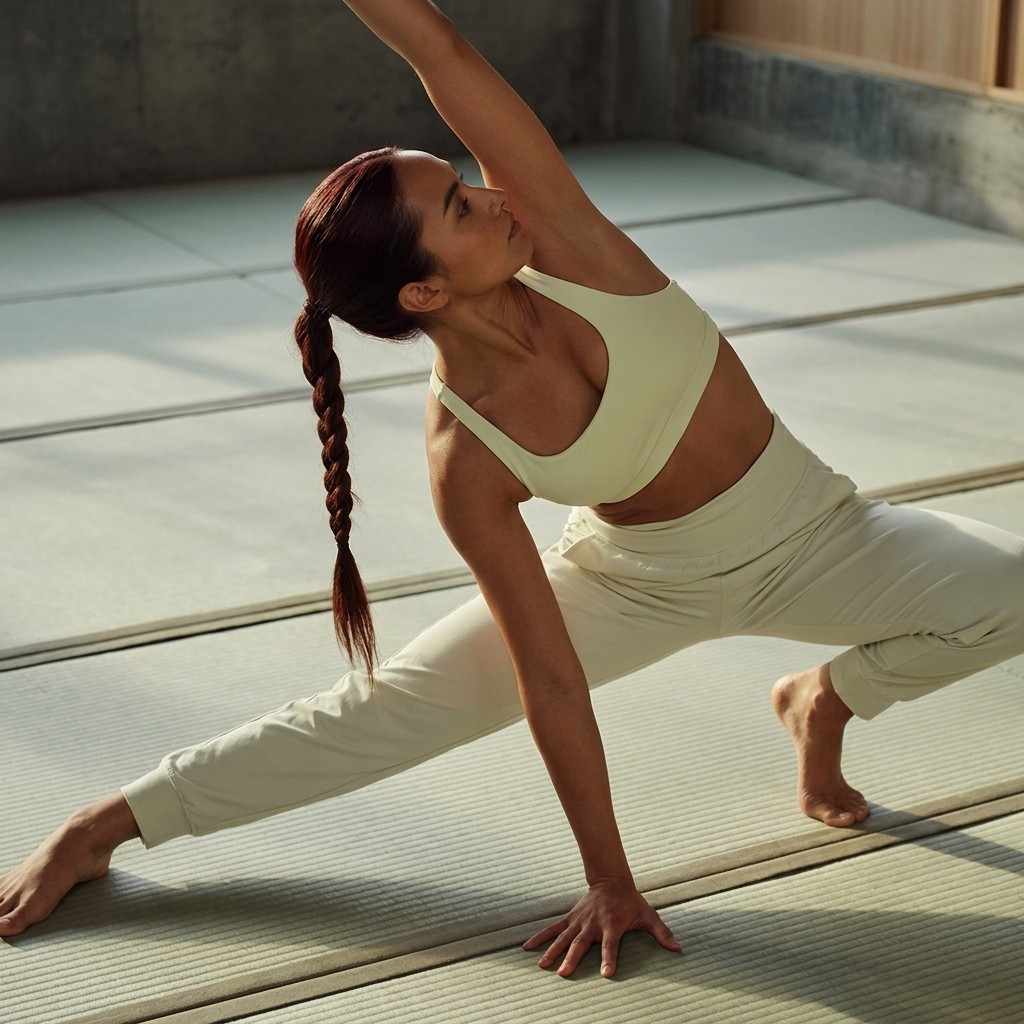
Tibetan singing bowls, crystal bowls, gongs, tuning forks — the instruments used in sound bath sessions produce tones that resonate far beyond the ears. Participants often describe the experience as being submerged in waves, a full-body vibration that quiets the mind in ways that feel almost involuntary. It sounds mystical. But increasingly, the science behind it is anything but.
Sound as Physical Force
To understand why sound baths affect the body, it helps to remember that sound is not just an auditory event — it's a physical one. Sound is vibration: compression waves moving through air, through surfaces, through water. And the human body is roughly 60% water, which means it is, quite literally, a resonant medium.
When low-frequency tones from a singing bowl or gong wash over you, your body absorbs those vibrations at a cellular level. Bones, organs, and soft tissue all have their own resonant frequencies. This isn't metaphor — it's physics. The question researchers have been exploring is what, exactly, those vibrations do once they're inside you.
The Nervous System Response
The most well-documented effect of sound baths is on the autonomic nervous system. Sustained low-frequency sound has been shown to shift the brain from beta wave activity — the fast, alert, analytical state of everyday thinking — toward alpha and theta wave states, associated with relaxed awareness and the edge of sleep. This is the same territory accessed through deep meditation, and most people don't enter it easily or often.
Theta states in particular are significant. They're associated with reduced cortisol levels, lowered heart rate, improved immune response, and a processing mode where the brain integrates information and emotion more fluidly. Sound, it turns out, is one of the more efficient pathways into that state — partly because it bypasses the thinking mind entirely. You don't have to believe in it or concentrate. The frequency does the work.
Binaural Beats and Brainwave Entrainment
One mechanism researchers point to is brainwave entrainment — the tendency of the brain to synchronize its electrical activity to rhythmic external stimuli. This is most studied in the context of binaural beats, where two slightly different frequencies are played in each ear and the brain generates a third tone that is the mathematical difference between them.
A binaural beat of 10 Hz, for example, encourages alpha wave production. At 4–7 Hz, theta states emerge. Sound bath practitioners intuitively understood this principle long before neuroscience had the language for it. The instruments they selected — singing bowls, gongs, didgeridoos — naturally produce complex, slowly evolving tones with the kind of low-frequency content that nudges the brain toward coherence rather than noise.
Pain, Anxiety, and the Clinical Evidence
Research into therapeutic sound is still developing, but early clinical findings are compelling. Studies have shown that sound bath sessions are associated with significant reductions in tension, anger, fatigue, and anxiety compared to control groups. Participants with chronic pain report reduced discomfort following sessions, consistent with the role of deep relaxation in lowering pain perception thresholds.
Sound therapy has also been explored in oncology settings, where managing anxiety and treatment-related stress is a genuine clinical priority. The results aren't a replacement for medicine, but they're not trivial either. Something repeatable and measurable is happening — in the body, in the brain — and it's starting to earn its place alongside more conventional therapeutic tools.
The Ancient Technology of Modern Wellness
What's striking about sound baths is how old the technology is. Tibetan bowls have been used ceremonially for centuries. Indigenous cultures across every continent have used drumming, chanting, and sustained tonal instruments as healing modalities. Greek temples incorporated specific acoustic designs to enhance the therapeutic effect of music. This is not a wellness trend that appeared on Instagram. It is one of the oldest human intuitions about how the body works — only now do we have the instruments to see what the ancients already heard.
How to Actually Experience One
You don't need a specialized studio or expensive equipment to begin exploring sound as therapy. A few entry points:
Group sound baths — offered at yoga studios, wellness centres, and increasingly at spas and meditation spaces
One-on-one sessions — practitioners place bowls directly on or around the body for a more targeted experience
At home — high-quality recordings of singing bowls or binaural beat tracks can meaningfully shift your state, especially with headphones in a quiet room
Apps and platforms — curated sound bath playlists exist on most streaming platforms and dedicated wellness apps
The only real requirement is stillness and a willingness to receive rather than do. You lie down. You close your eyes. You let the sound move through you.
The body already knows how to respond. It's been waiting for this frequency for a very long time.